NAD+ in Cellular Metabolism
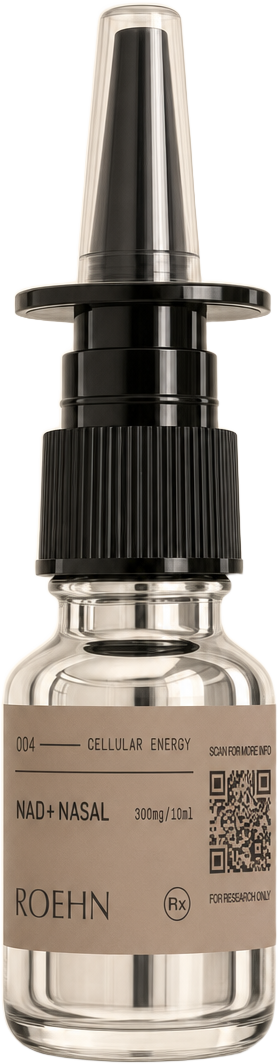
Nicotinamide adenine dinucleotide (NAD+) is a critical coenzyme present in all living cells, functioning as an essential electron carrier in metabolic redox reactions and as a substrate for NAD+-consuming enzymes including sirtuins, PARPs, and CD38. The age-related decline in NAD+ levels has been extensively documented and has driven significant preclinical research into NAD+ biology and supplementation strategies.
Mitochondrial Function Research
NAD+ is essential for mitochondrial electron transport chain function, serving as a cofactor for complexes I, III, and IV. Preclinical research has investigated how declining NAD+ levels affect mitochondrial membrane potential, ATP production, reactive oxygen species generation, and mitochondrial dynamics (fission/fusion balance) in aging models.
Sirtuin Activation
Sirtuins (SIRT1-7) are NAD+-dependent deacetylases and ADP-ribosyltransferases that regulate diverse cellular processes including DNA repair, gene expression, metabolism, and stress responses. NAD+ supplementation research has explored whether restoring NAD+ levels activates sirtuin-dependent pathways in preclinical aging models.
Research at ROEHN
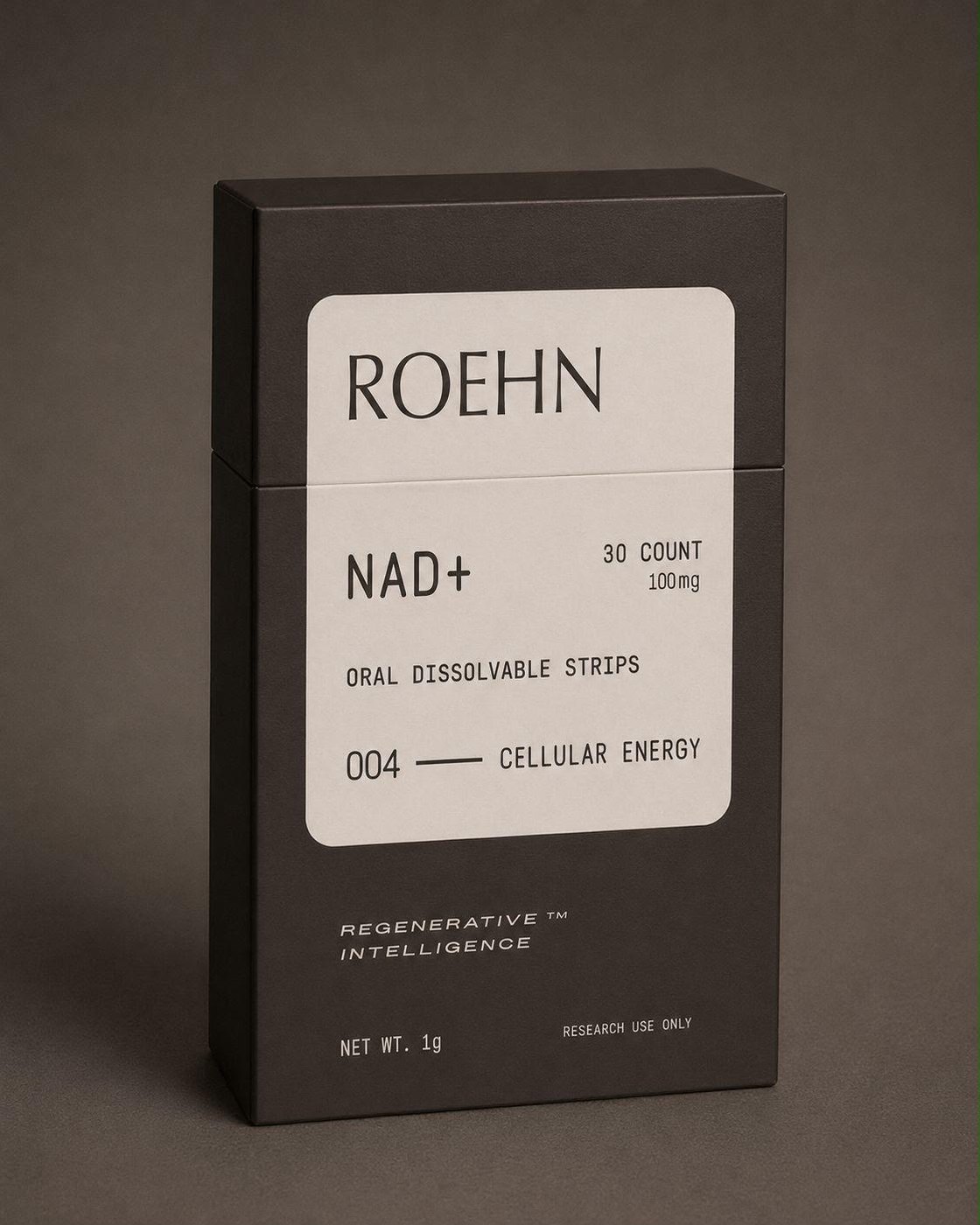
ROEHN supports longevity and cellular metabolism research with NAD+ and complementary compounds. Pair with CJC-1295/Ipamorelin for comprehensive aging pathway investigation, or explore BPC-157 for tissue-level regenerative studies.
Research Disclaimer
This article is for educational and informational purposes only. All compounds discussed are intended strictly for in-vitro and preclinical research use. They are not intended for human consumption. Always consult published scientific literature and institutional review protocols before initiating any research program.