Understanding Lyophilized Peptides
Lyophilization — commonly known as freeze-drying — is the standard method for preserving synthetic peptides during storage and shipping. The process involves freezing the purified peptide solution and then reducing the surrounding pressure to allow frozen water to sublimate directly from solid to gas. The resulting dry, fluffy powder (often referred to as a "cake" or "puck") is significantly more stable than the aqueous solution, with a shelf life measured in years when stored properly at -20°C or below.
Before use in research protocols, lyophilized peptides must be reconstituted — dissolved in an appropriate solvent to create a solution of known concentration. This process, while straightforward, requires attention to detail to preserve peptide integrity and ensure accurate experimental results.
Step-by-Step Reconstitution Protocol
Step 1: Preparation
Before opening the vial, allow it to reach room temperature. Opening a cold vial can cause condensation to form inside, introducing moisture that can degrade the peptide before reconstitution. This equilibration typically takes 15-30 minutes.
Ensure you have the following materials ready:
- Appropriate solvent (see Solvent Selection below)
- Sterile syringes and needles (if working with septum-sealed vials)
- 0.22 μm syringe filters (if sterile filtration is required)
- Sterile microcentrifuge tubes or vials for aliquoting
- Calculator for concentration determination
Step 2: Solvent Selection
The choice of reconstitution solvent depends on the peptide's physicochemical properties:
- Bacteriostatic water (BAC water): Suitable for most research peptides. Contains 0.9% benzyl alcohol as a preservative, which inhibits microbial growth and allows for multiple withdrawals from the same vial.
- Sterile water: For single-use preparations or peptides incompatible with benzyl alcohol.
- 0.1% acetic acid: Recommended for basic peptides (those with net positive charge at neutral pH) and peptides that are poorly soluble at neutral pH.
- Sodium bicarbonate solution (0.1%): For acidic peptides with net negative charge at neutral pH.
- DMSO: Used as a co-solvent for hydrophobic peptides that resist aqueous dissolution. Typically, the peptide is first dissolved in a small volume of DMSO, then diluted with aqueous solvent.
Step 3: Adding Solvent
Add the solvent slowly along the inside wall of the vial, directing the stream against the glass rather than directly onto the peptide cake. This gentle approach minimizes foaming and mechanical stress on the peptide.
Step 4: Dissolution
Allow the peptide to dissolve by gentle swirling. Do not shake vigorously or vortex, as this can cause aggregation and surface denaturation. Most lyophilized peptides dissolve within a few minutes. If dissolution is slow, allow the vial to sit at room temperature for 10-15 minutes with periodic gentle swirling.
Step 5: Concentration Calculation
The concentration of your reconstituted solution is determined by the amount of peptide (in milligrams) divided by the volume of solvent added (in milliliters). For example, reconstituting 5 mg of peptide in 2 mL of solvent yields a concentration of 2.5 mg/mL.
Important Considerations
Net Peptide Content
The amount of peptide listed on the label typically refers to gross weight, which includes counterions (such as TFA or acetate salts) and residual moisture. The net peptide content — the actual amount of active peptide — is usually 70-85% of the gross weight. Refer to the Certificate of Analysis for the exact net peptide content when precise concentration is critical.
Aliquoting
To avoid repeated freeze-thaw cycles, which degrade peptides, divide the reconstituted solution into single-use aliquots immediately after preparation. Use sterile microcentrifuge tubes, label each with the peptide identity, concentration, date, and lot number, and store at the appropriate temperature.
Product-Specific Notes
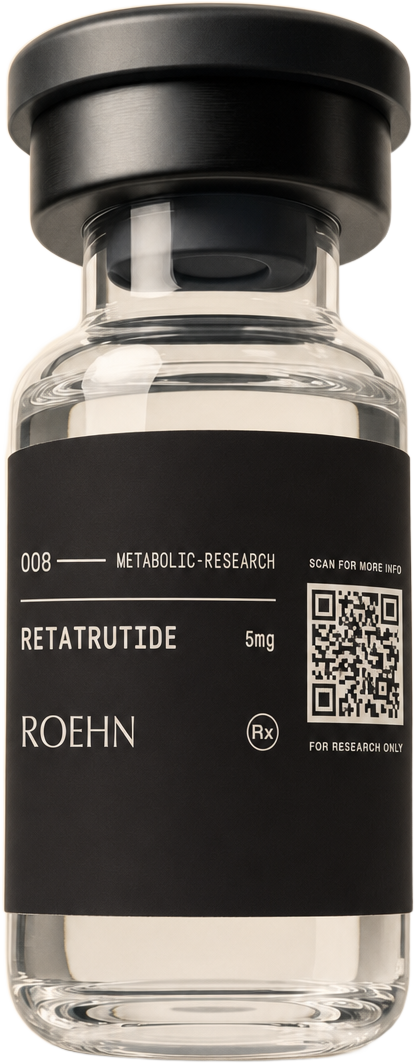
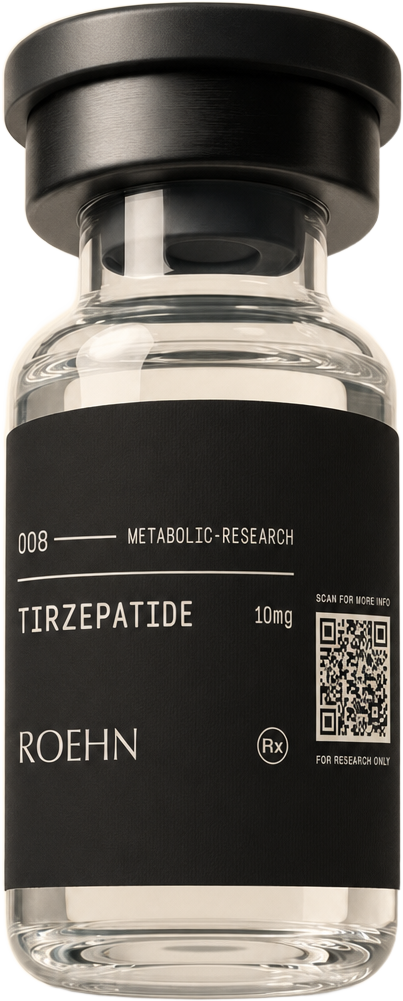
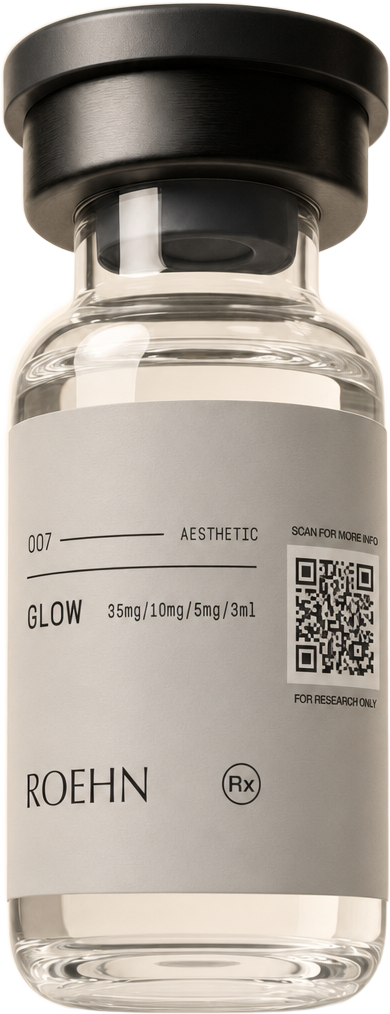
Different peptides may have specific reconstitution requirements. Always refer to the product documentation provided with your order. ROEHN includes detailed reconstitution guidance with products such as BPC-157, TB-500, and CJC-1295/Ipamorelin to ensure optimal preparation for your research protocols.
Research Disclaimer
This article is for educational and informational purposes only. All compounds discussed are intended strictly for in-vitro and preclinical research use. They are not intended for human consumption. Always consult published scientific literature and institutional review protocols before initiating any research program.