Why Peptide Stability Matters
Peptides are inherently more susceptible to degradation than small-molecule compounds. Their biological activity depends on maintaining a precise chemical structure, and even minor modifications — oxidation of a methionine residue, deamidation of an asparagine, or hydrolysis of a labile bond — can significantly alter or abolish function. For researchers, understanding the factors that influence peptide stability is essential for obtaining reliable, reproducible experimental results.
Common Degradation Pathways
Chemical Degradation
Several chemical mechanisms contribute to peptide degradation:
- Oxidation: Methionine, cysteine, histidine, tryptophan, and tyrosine residues are particularly susceptible to oxidation. Exposure to oxygen, light, and metal ions accelerates this process. Oxidized peptides may show reduced receptor binding affinity or altered biological activity in preclinical models.
- Deamidation: Asparagine and glutamine residues can undergo deamidation, converting to aspartate and glutamate respectively. This reaction is pH- and temperature-dependent, occurring more rapidly at neutral to alkaline pH and elevated temperatures.
- Hydrolysis: Peptide bonds, particularly those involving aspartate-proline sequences, can undergo acid-catalyzed hydrolysis, fragmenting the peptide chain.
- Racemization: Amino acid residues can undergo epimerization at the alpha-carbon, converting from L- to D-configuration. This is particularly problematic for aspartate and serine residues under acidic or basic conditions.
- Disulfide scrambling: Peptides containing cysteine residues may undergo disulfide bond rearrangement, leading to misfolded or aggregated species.
Physical Degradation
Physical instability manifests as aggregation, precipitation, or adsorption to container surfaces. Peptides with hydrophobic regions can form non-covalent aggregates, particularly at higher concentrations or during freeze-thaw cycles. Surface adsorption to glass or plastic containers can reduce effective peptide concentration in solution.
Optimal Storage Conditions
Lyophilized Peptides
Lyophilized (freeze-dried) peptides represent the most stable form for long-term storage. Key storage parameters include:
- Temperature: -20°C to -80°C for long-term storage; 2-8°C acceptable for short-term (weeks)
- Desiccation: Store with desiccant to minimize moisture exposure
- Light protection: Use amber vials or wrap in aluminum foil to prevent photodegradation
- Inert atmosphere: Flushing vials with nitrogen or argon before sealing reduces oxidation
Under these conditions, most lyophilized peptides maintain integrity for years.
Reconstituted Solutions
Once reconstituted, peptide stability decreases significantly. Aqueous solutions should be:
- Stored at 2-8°C for short-term use (typically 1-4 weeks depending on the peptide)
- Aliquoted into single-use volumes to avoid repeated freeze-thaw cycles
- Prepared in appropriate buffers — acidic buffers (pH 3-5) generally provide better stability for most peptides
- Used within the stability window specified by the supplier
Reconstitution Best Practices
Proper reconstitution technique significantly impacts peptide quality:
- Solvent selection: Bacteriostatic water (BAC water) is common for general reconstitution. Some peptides require acidic solutions (e.g., 0.1% acetic acid) or DMSO for initial dissolution.
- Gentle mixing: Add solvent slowly along the vial wall and allow the peptide to dissolve by gentle swirling. Never vortex aggressively, as this can cause aggregation and surface denaturation.
- Concentration: Prepare at the minimum concentration needed for your research protocol. Higher concentrations increase the risk of aggregation.
- Filtration: If sterility is required, filter through a 0.22 μm syringe filter after reconstitution.
Shipping and Cold-Chain Considerations
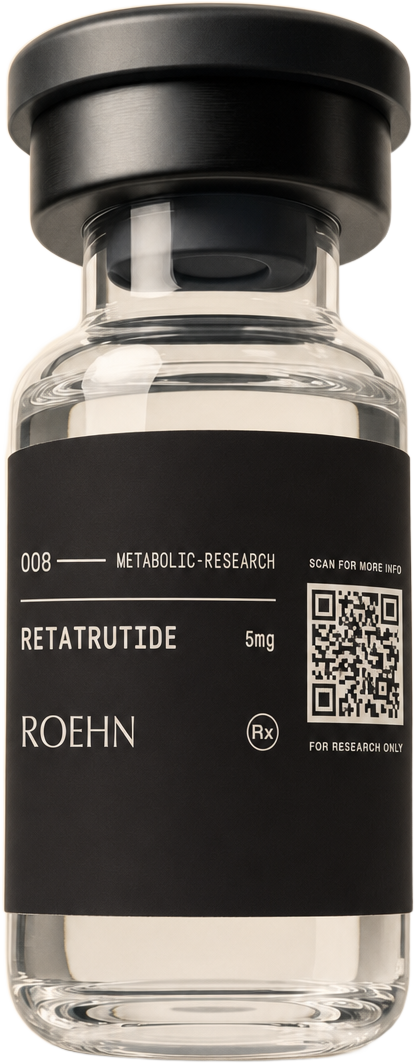
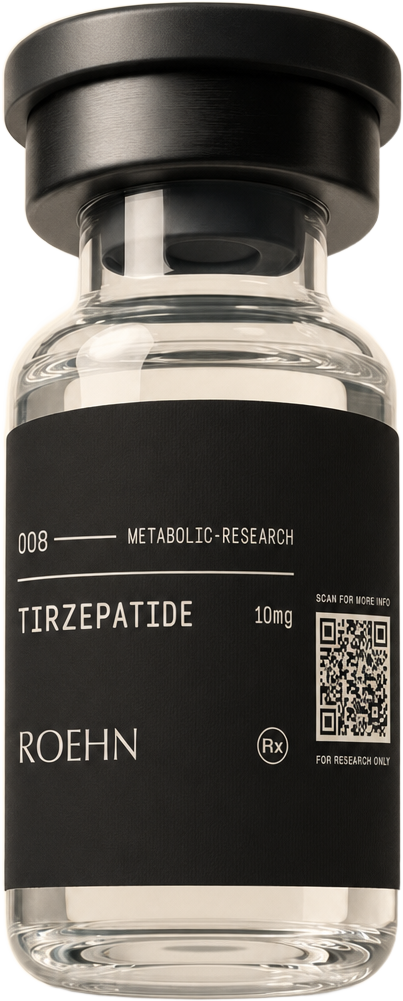
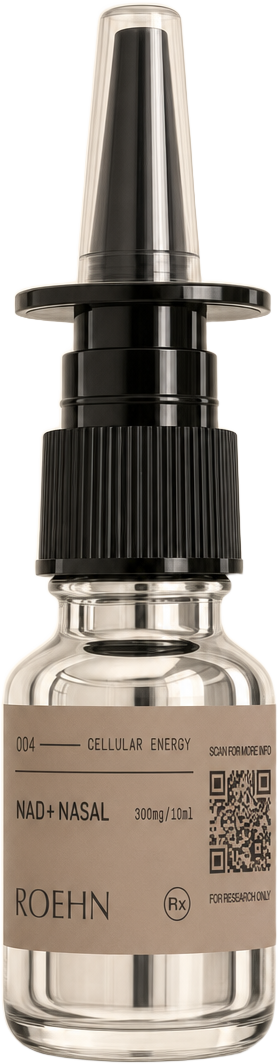
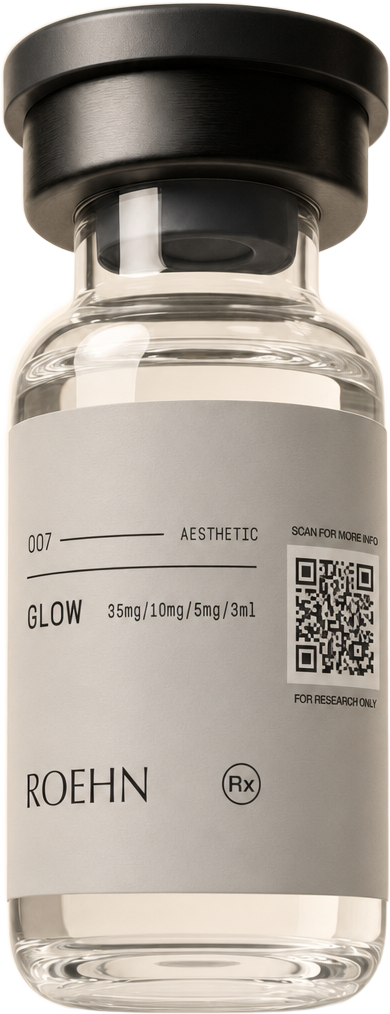
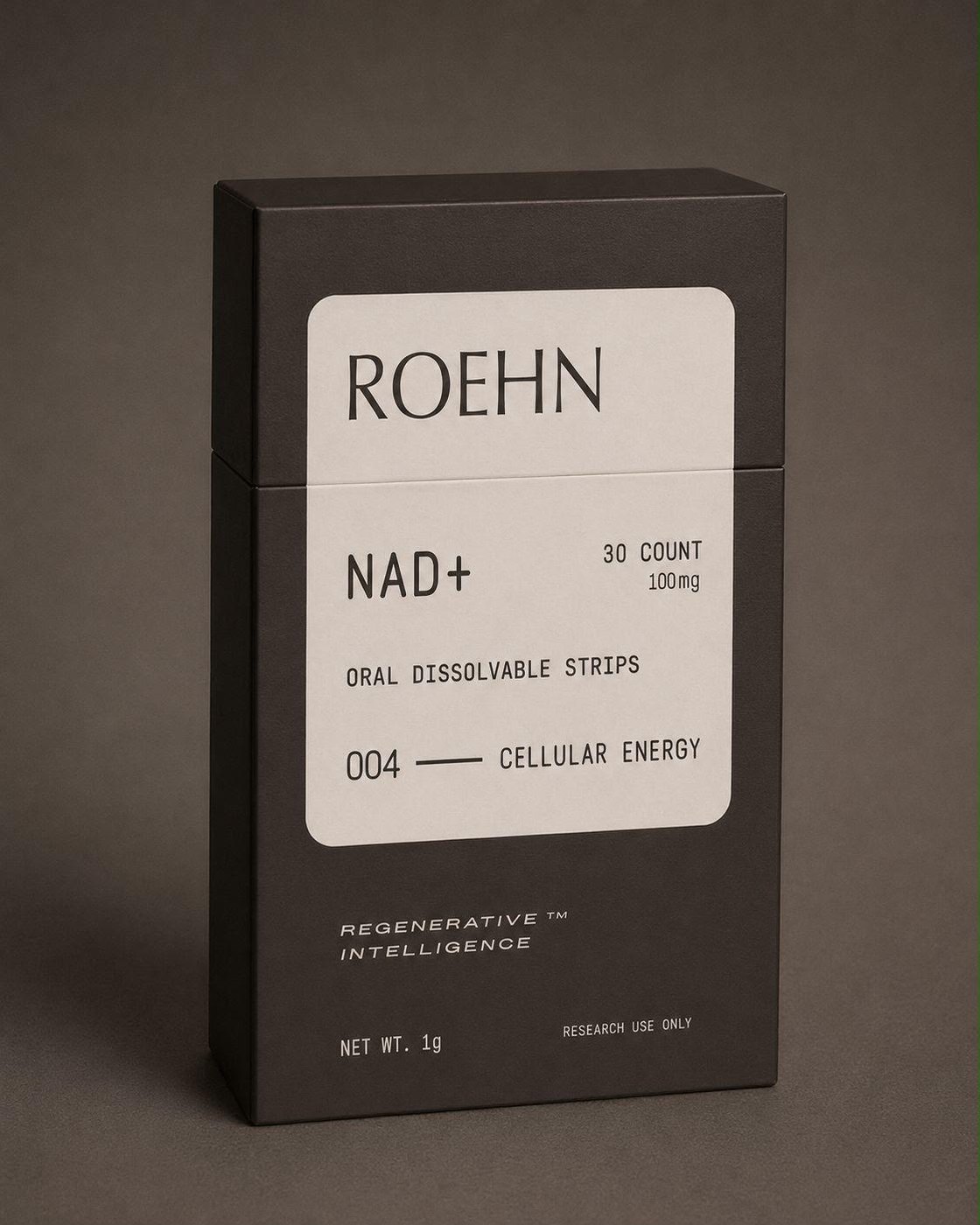
Temperature excursions during shipping can compromise peptide integrity before the compound even reaches the laboratory. Reputable suppliers use insulated packaging with gel packs or dry ice to maintain cold-chain integrity during transit. At ROEHN, our shipping protocols ensure that products like BPC-157, TB-500, and Semaglutide arrive in optimal condition for your research.
Monitoring Stability
Researchers can monitor peptide stability through periodic HPLC analysis, looking for the appearance of new peaks (indicating degradation products) or a decrease in the main peak area. Mass spectrometry can identify specific degradation products, helping to pinpoint the degradation mechanism and guide improved storage conditions.
Research Disclaimer
This article is for educational and informational purposes only. All compounds discussed are intended strictly for in-vitro and preclinical research use. They are not intended for human consumption. Always consult published scientific literature and institutional review protocols before initiating any research program.