Collagen Biology and GHK-Cu
Collagen is the most abundant protein in the human body, providing structural support to skin, tendons, ligaments, cartilage, and bone. The synthesis and turnover of collagen are tightly regulated processes that have been the subject of extensive preclinical investigation, with GHK-Cu emerging as one of the most studied peptide modulators of these pathways.
Fibroblast Activation Research
In vitro studies have investigated GHK-Cu's effects on fibroblast activity, the primary cell type responsible for collagen production. Research has explored upregulation of type I and type III collagen gene expression, procollagen secretion rates, and the balance between collagen synthesis and degradation mediated by matrix metalloproteinases (MMPs) and their tissue inhibitors (TIMPs).
Gene Expression Studies
Microarray and RNA sequencing studies have identified broad gene expression changes in fibroblasts treated with GHK-Cu in vitro. These studies have reported upregulation of genes associated with extracellular matrix production, growth factor synthesis, and antioxidant defense, alongside downregulation of inflammatory and tissue-degrading gene programs.
Research Applications
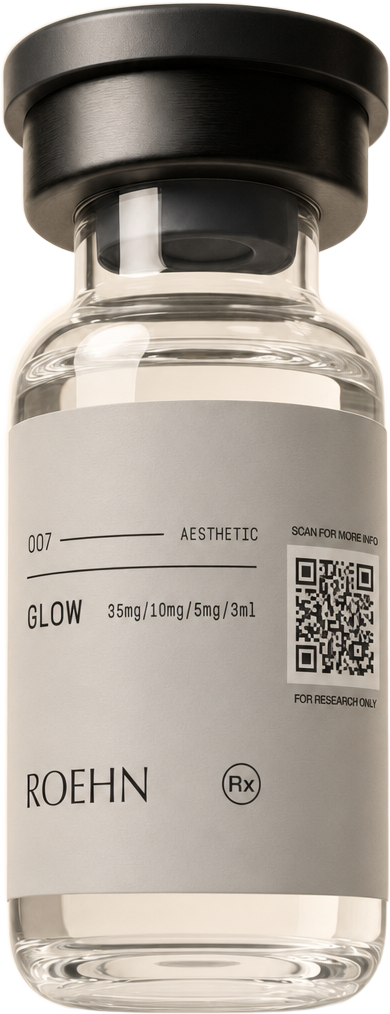
GHK-Cu collagen research has implications for wound healing studies, skin aging models, and connective tissue biology. Researchers can explore GHK-Cu alongside other regenerative research peptides like BPC-157 available through ROEHN.
Research Disclaimer
This article is for educational and informational purposes only. All compounds discussed are intended strictly for in-vitro and preclinical research use. They are not intended for human consumption. Always consult published scientific literature and institutional review protocols before initiating any research program.