
The Formulation Challenge
Peptides present inherent challenges for oral delivery: they are susceptible to enzymatic degradation in the gastrointestinal tract and have limited permeability across intestinal epithelial barriers. Most GLP-1 receptor agonists have traditionally been formulated for subcutaneous administration, but advances in oral peptide delivery technology have opened new avenues for research.
Injectable Formulations
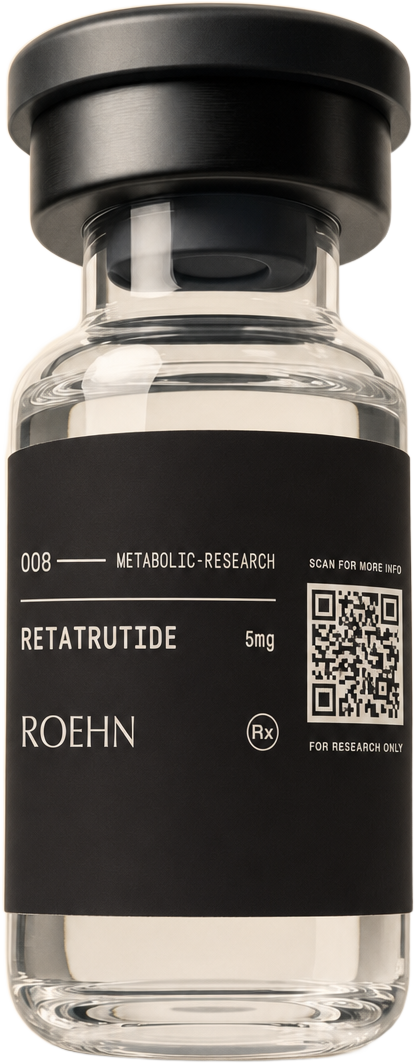
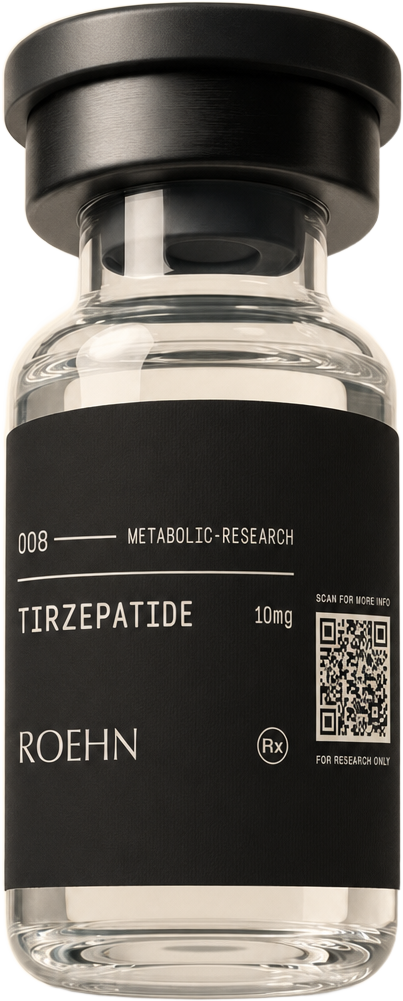
Subcutaneous injection remains the most efficient delivery route for peptide research compounds, offering near-complete bioavailability and predictable pharmacokinetics. Compounds like semaglutide and tirzepatide achieve extended half-lives through albumin binding facilitated by fatty acid modifications, enabling once-weekly research protocols.
Oral Delivery Strategies
Oral GLP-1 formulations employ absorption enhancers — such as sodium N-(8-[2-hydroxybenzoyl]amino) caprylate (SNAC) — to promote peptide absorption across the gastric mucosa. In preclinical research, oral formulations have demonstrated lower bioavailability (approximately 1-2%) compared to injectable routes, with greater intra- and inter-subject variability.
Sublingual Strip Technology
An emerging alternative is sublingual delivery via oral dissolvable strips, which bypass gastrointestinal degradation by delivering compounds through the highly vascularized oral mucosa. This approach has been investigated for improved bioavailability compared to traditional oral formulations while maintaining the convenience of needle-free administration in research settings.
Research Protocol Implications
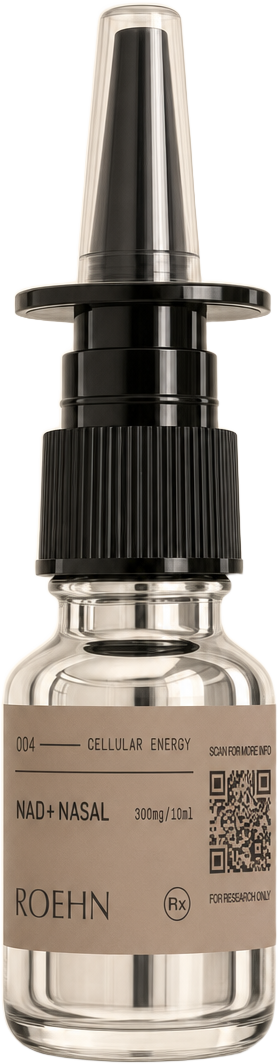
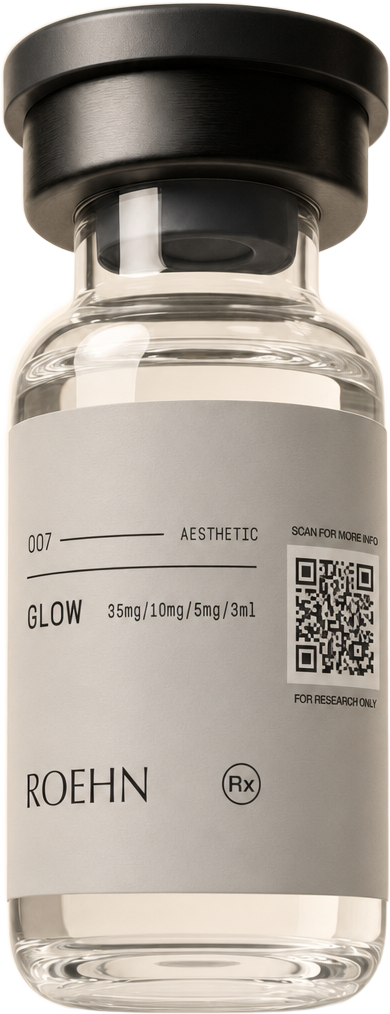
For preclinical research protocols, the choice of formulation affects dosing accuracy, pharmacokinetic variability, and experimental reproducibility. Researchers should consider the specific requirements of their experimental design when selecting between delivery routes. ROEHN offers multiple formulation options to support diverse research needs.
Research Disclaimer
This article is for educational and informational purposes only. All compounds discussed are intended strictly for in-vitro and preclinical research use. They are not intended for human consumption. Always consult published scientific literature and institutional review protocols before initiating any research program.