
Navigating Regulatory Frameworks
Research peptides exist within a complex regulatory landscape that varies by jurisdiction, intended use, and compound classification. Understanding these frameworks is essential for researchers, institutions, and suppliers to ensure compliant operations.
FDA Classification
In the United States, peptides sold for research purposes are classified as "Research Use Only" (RUO) compounds. They are not approved drugs, dietary supplements, or food additives. This classification means they are intended exclusively for laboratory research and are explicitly not for human consumption, veterinary use, or any clinical application.
Institutional Requirements
Academic and corporate research institutions typically have their own procurement and compliance requirements for research chemicals:
- IACUC approval: Required for any research involving animals, including peptide administration in animal models
- Chemical inventory: Research compounds must be documented in institutional chemical inventory systems
- Storage compliance: Proper storage conditions must be maintained per institutional EHS (Environmental Health and Safety) guidelines
- Disposal protocols: Unused compounds and waste must be disposed of according to institutional and local regulations
Vendor Responsibilities
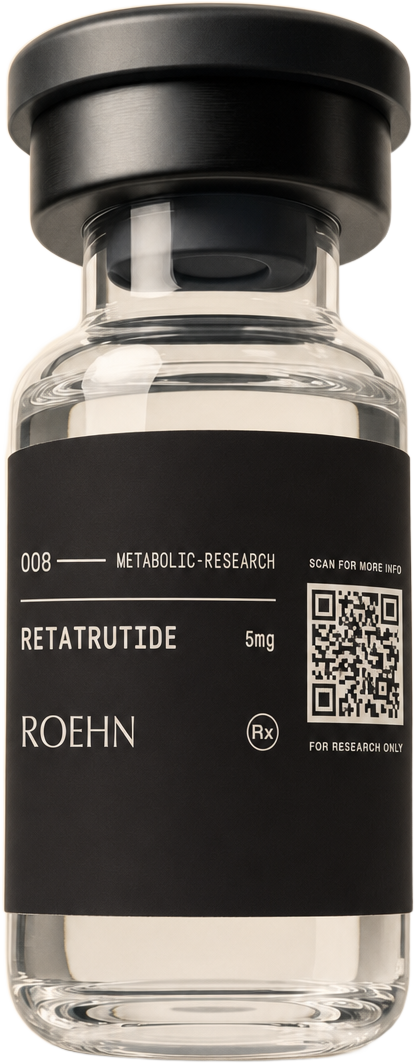
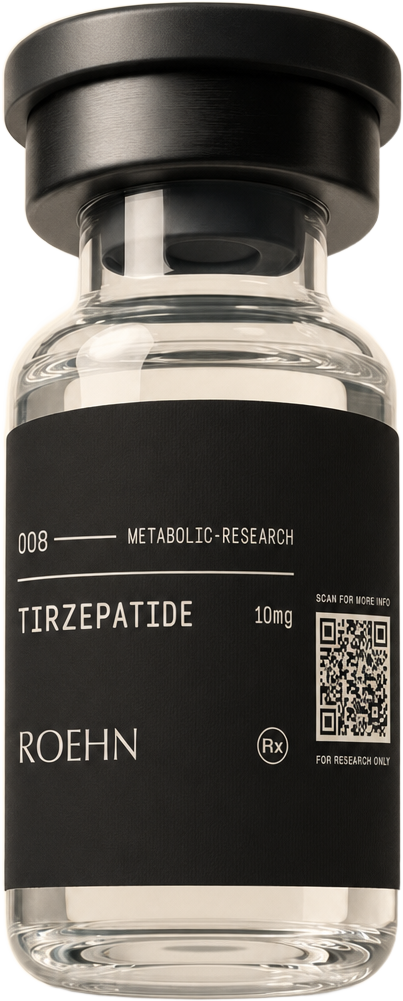
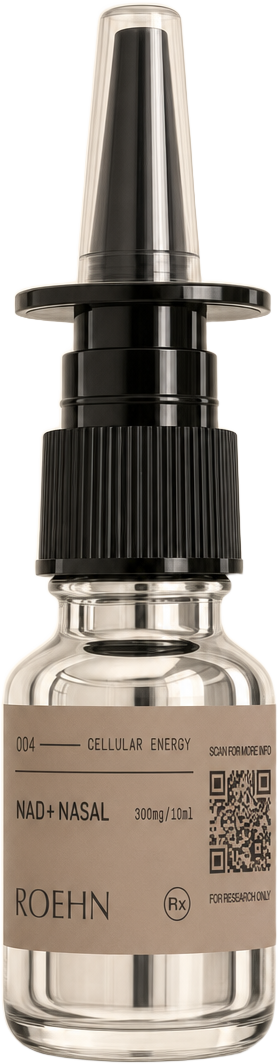
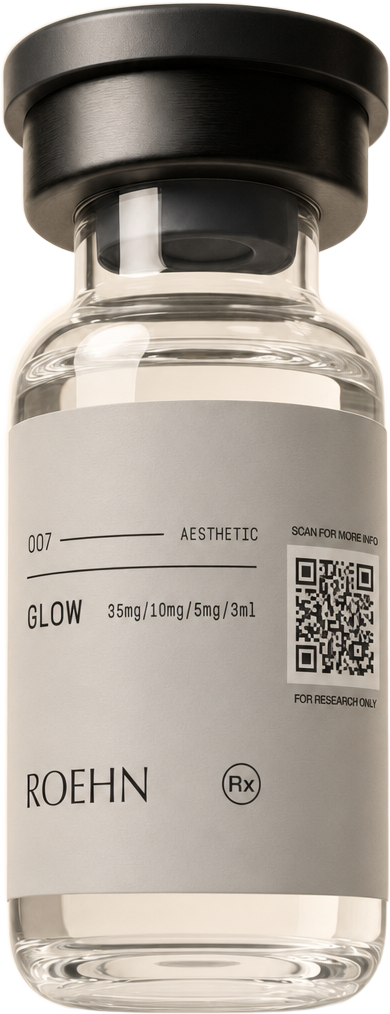
Reputable vendors like ROEHN label all products with appropriate research-use designations, provide Safety Data Sheets (SDS), include proper handling instructions, and maintain documentation that supports institutional compliance. Our catalog — including BPC-157, TB-500, and Semaglutide — is provided exclusively for legitimate research purposes.
Research Disclaimer
This article is for educational and informational purposes only. All compounds discussed are intended strictly for in-vitro and preclinical research use. They are not intended for human consumption. Always consult published scientific literature and institutional review protocols before initiating any research program.