
The Case for Independent Testing
Third-party testing refers to analytical verification performed by an independent laboratory with no financial stake in the results. In peptide research, this independence is crucial: when a vendor tests their own products in-house, there is an inherent conflict of interest that may — intentionally or not — bias results toward favorable outcomes.
What Independent Labs Test
Accredited third-party laboratories perform a comprehensive panel of tests:
- HPLC purity analysis: Quantitative assessment of peptide purity
- Mass spectrometry: Molecular identity confirmation
- Endotoxin testing: LAL or rFC assay for bacterial endotoxin contamination
- Residual solvent analysis: GC testing for manufacturing solvent residues
- Sterility testing: For products intended for cell culture or in vivo research
How to Verify Third-Party Testing
Researchers can verify the legitimacy of third-party testing by confirming that the testing laboratory exists, is accredited (ISO 17025 or equivalent), and can be contacted directly. The COA should bear the testing laboratory's name and identification, not just the vendor's branding.
ROEHN's Testing Partnership
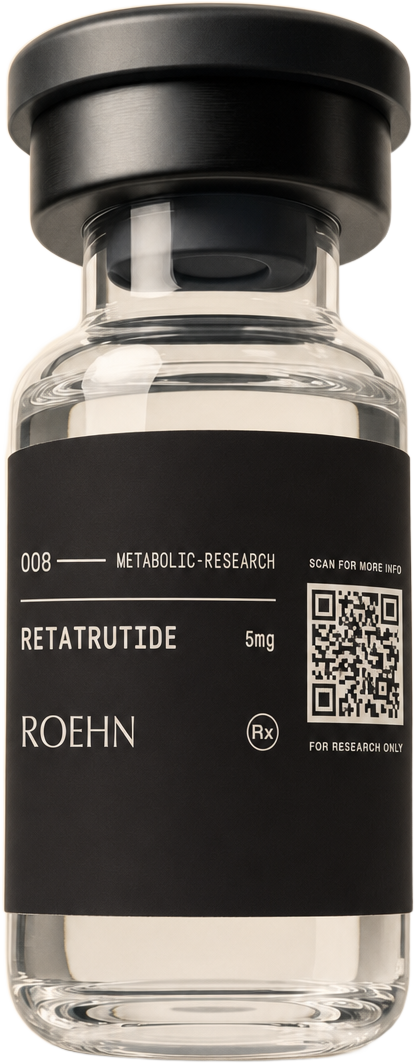
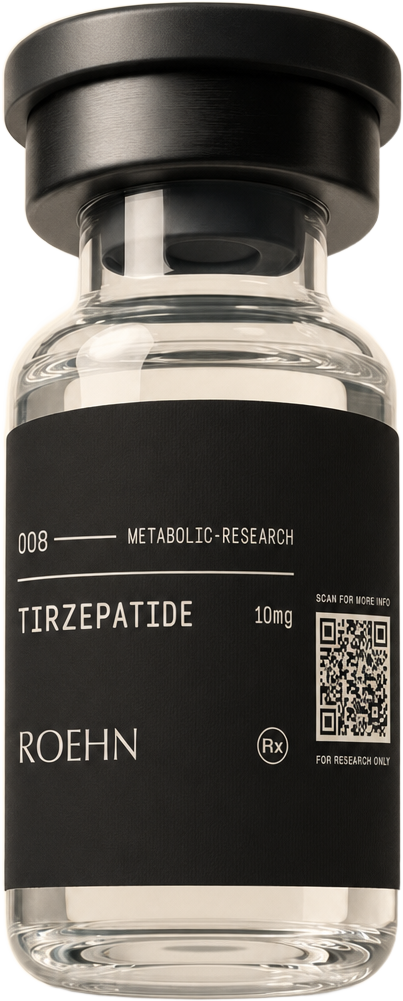
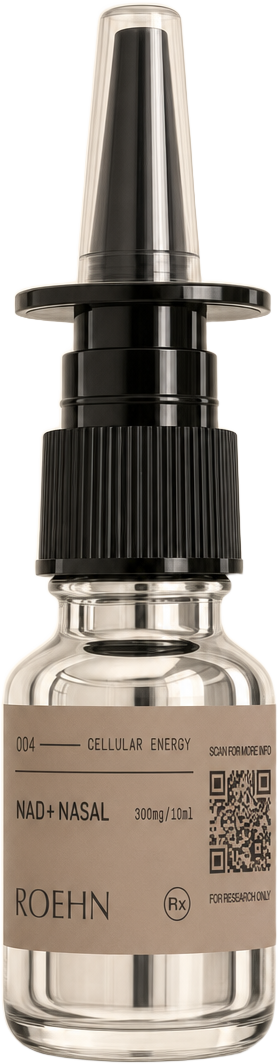
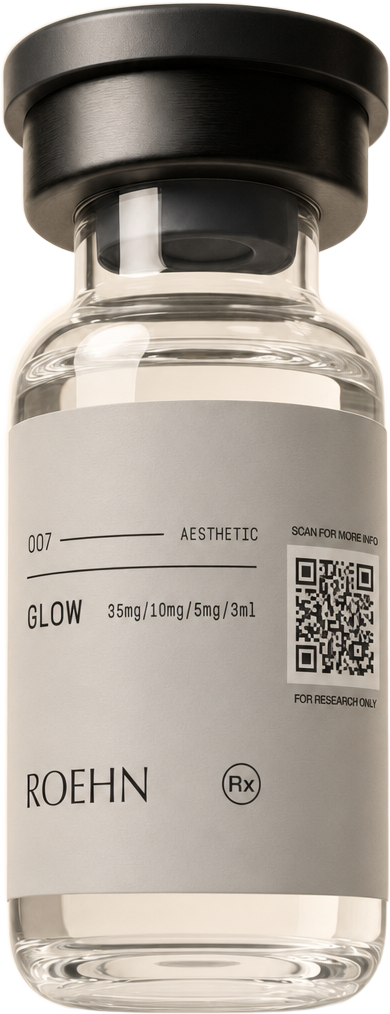
Every ROEHN product — from BPC-157 to Semaglutide to GHK-Cu — undergoes independent third-party verification. Our COAs are generated by accredited analytical laboratories and are available on every product page for transparent review.
Research Disclaimer
This article is for educational and informational purposes only. All compounds discussed are intended strictly for in-vitro and preclinical research use. They are not intended for human consumption. Always consult published scientific literature and institutional review protocols before initiating any research program.