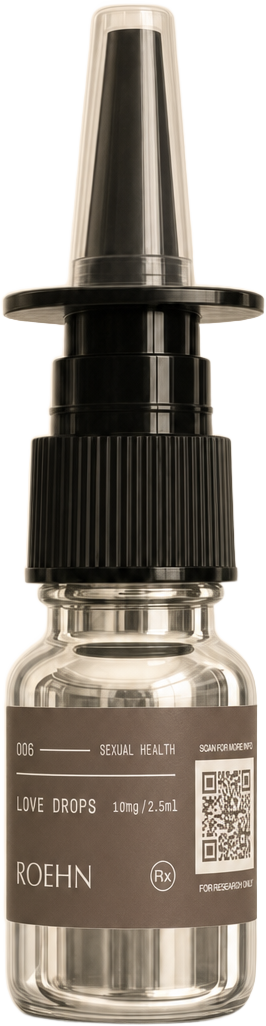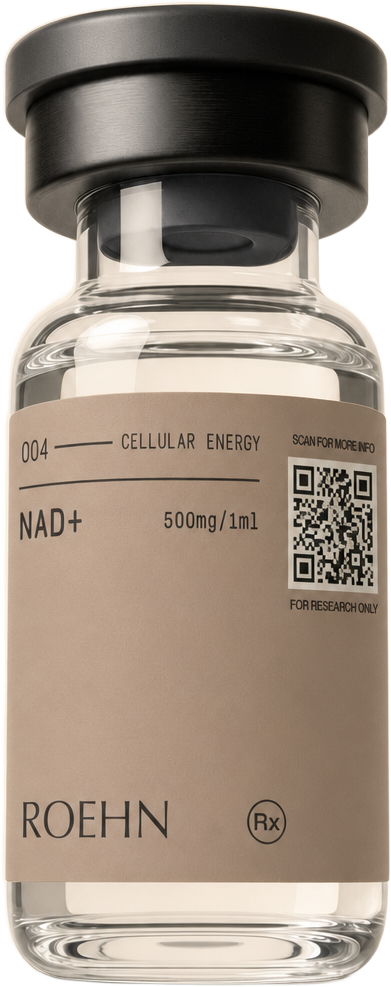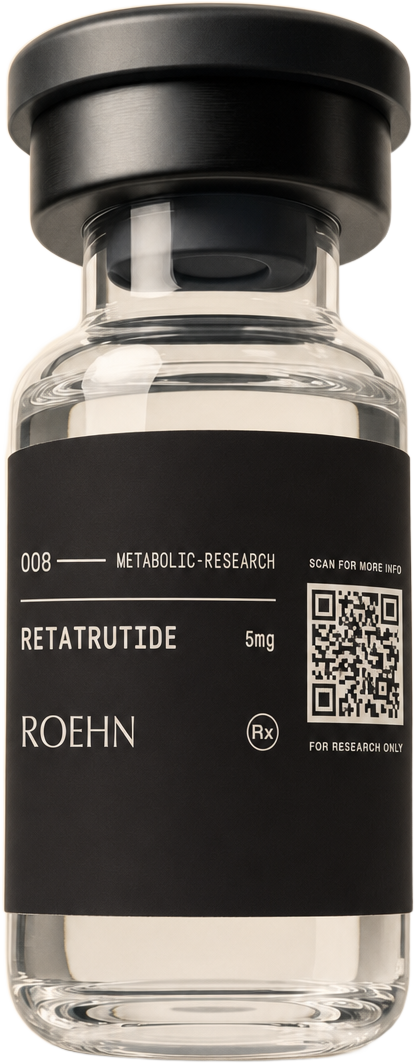
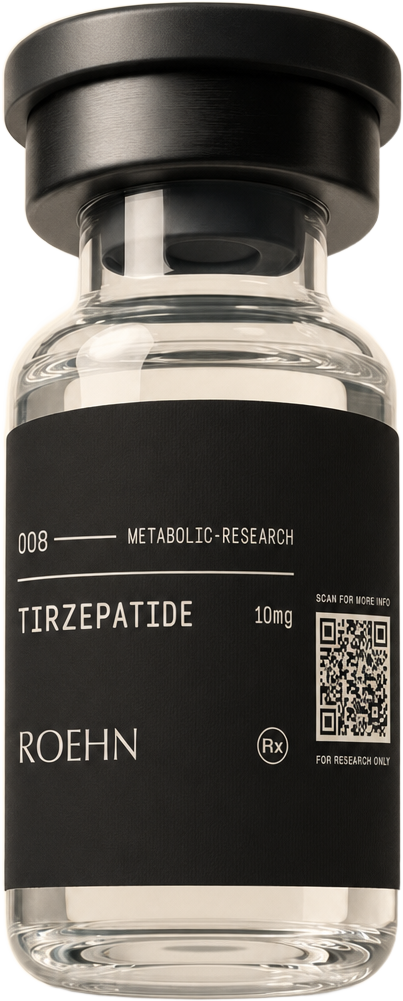
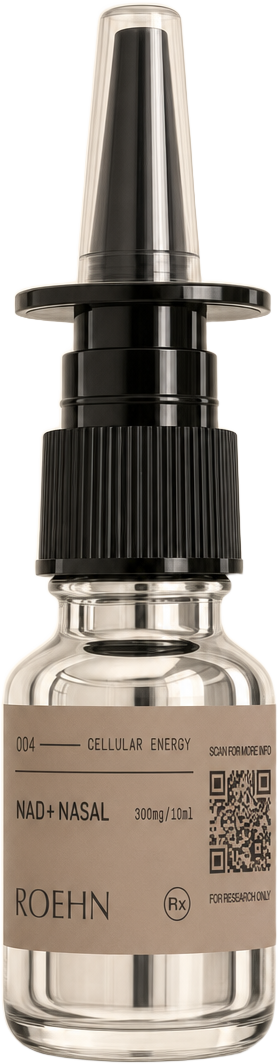
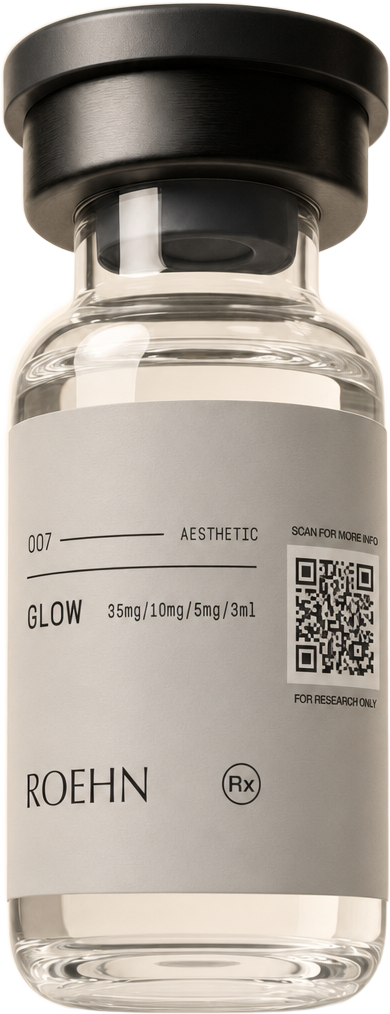
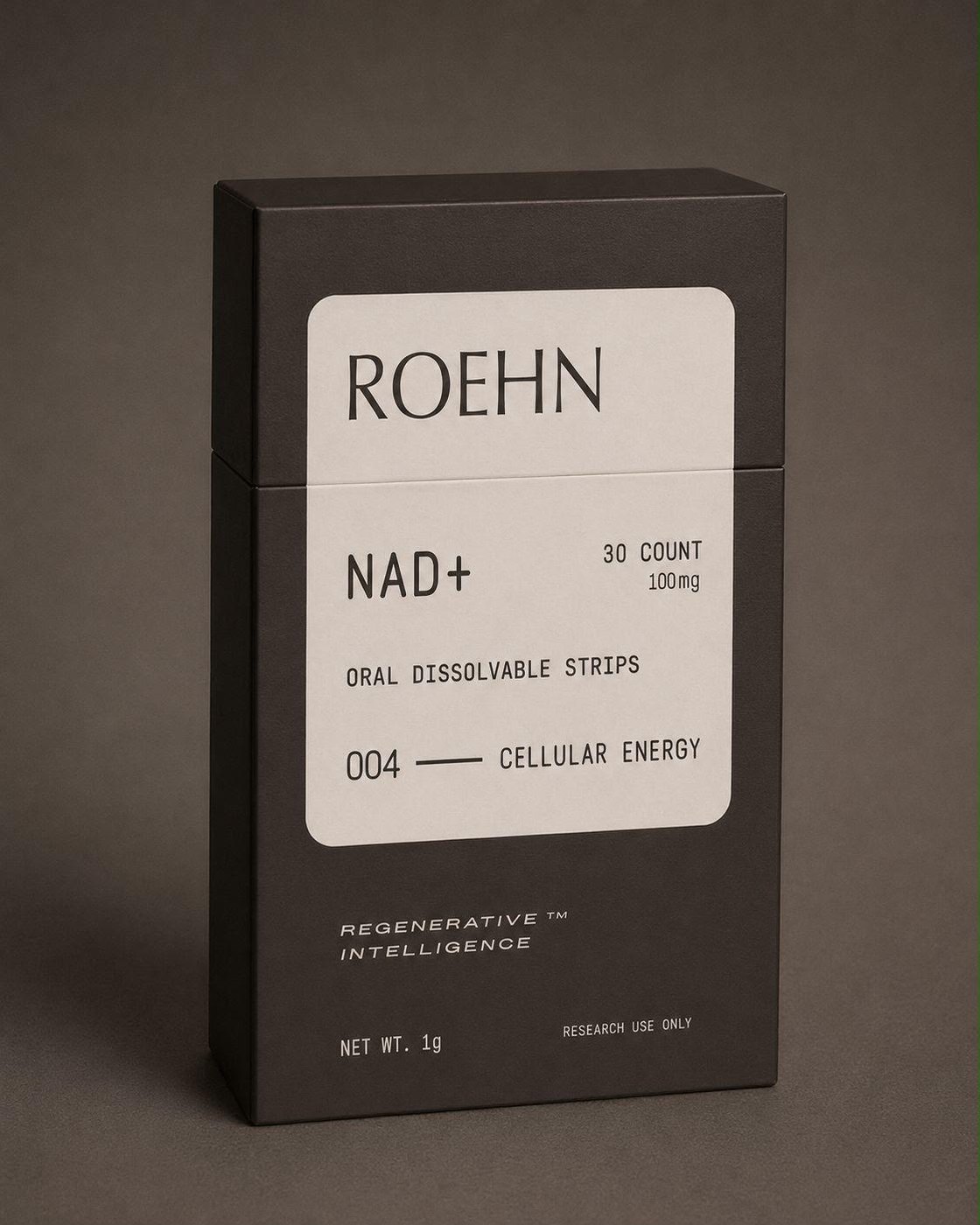

Fast delivery and clear packaging
Fast delivery and clear packaging.
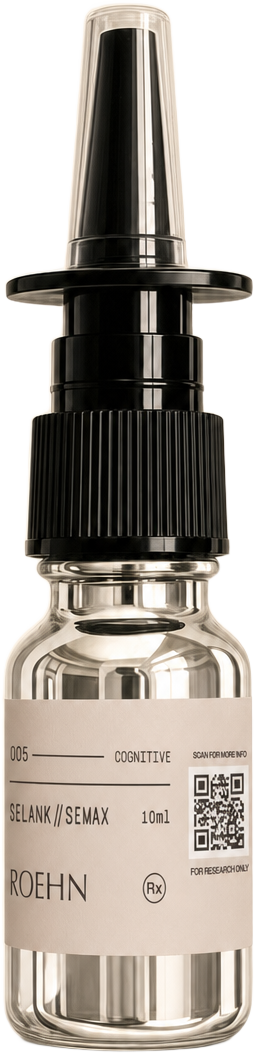
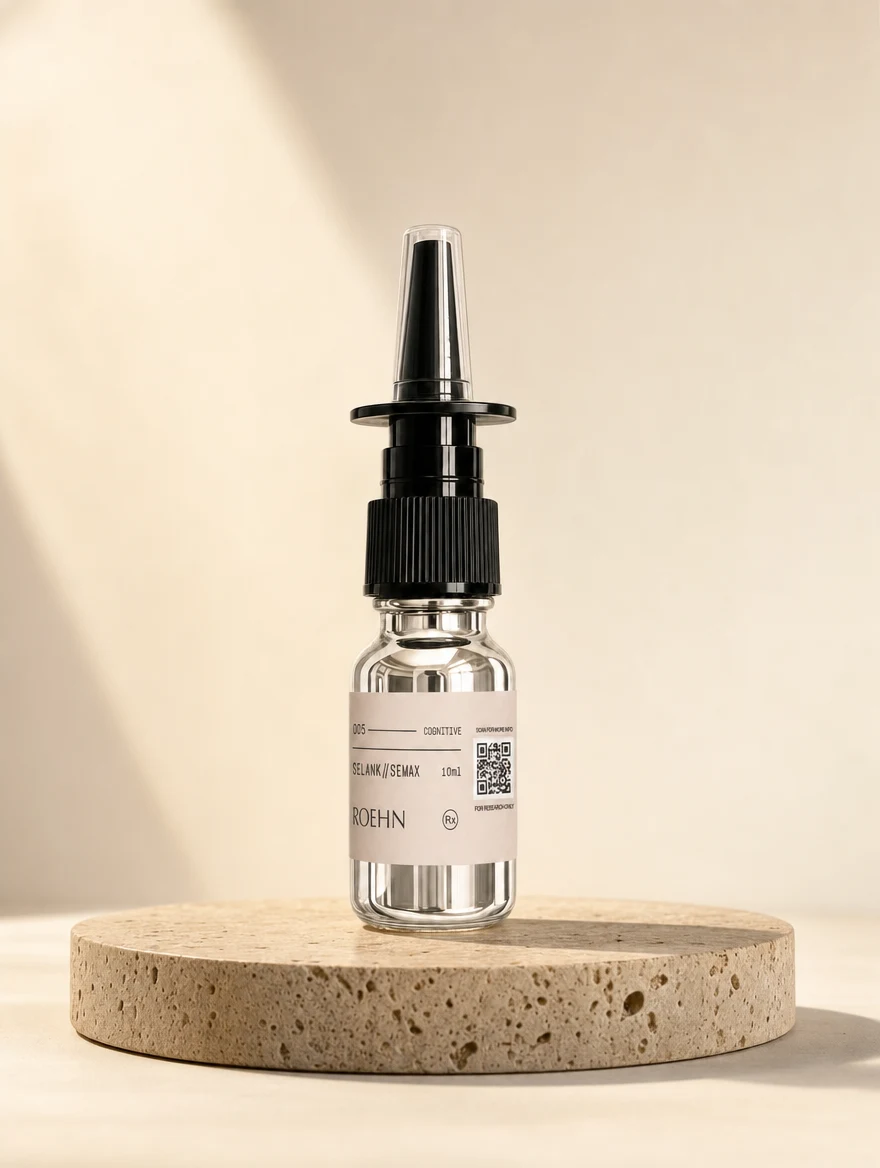
Selank / Semax is a research pairing of two synthetic heptapeptides. Selank (Thr-Lys-Pro-Arg-Pro-Gly-Pro) is a tuftsin-derived heptapeptide — the endogenous tetrapeptide Thr-Lys-Pro-Arg extended with a Pro-Gly-Pro tail for enzymatic stability — while Semax (Met-Glu-His-Phe-Pro-Gly-Pro) corresponds to the ACTH(4-7) fragment of adrenocorticotropic hormone, likewise capped with a C-terminal Pro-Gly-Pro tripeptide. In published preclinical and animal-model literature these peptides have been investigated for their interactions with neuropeptide and neurotrophin signaling pathways. Supplied as two lyophilized components at ≥99% HPLC purity with a per-lot Certificate of Analysis. For laboratory and research use only — not for human or animal consumption. ROEHN makes no claims regarding its effects.
Ships every 30 days at $217.00 plus shipping, charged to the card you pay with today. Cancel any time by emailing us — no minimum term. Research use only.
Reconstitution, storage & aseptic handling guidance for Selank / Semax — reagent preparation notes for the lab bench.
Sign in to viewEnter the lot code from your roehn vial to pull its Certificate of Analysis: independent purity and identity results, published exactly as the lab reported them. Lots still in testing say so. Research use only.
View lot COA-2026-0200 certificate →Ratings are 1–5. Reviews appear as written, after moderation for spam and off-topic content. They describe ordering, packaging and service — not any physiological outcome.
Fast delivery and clear packaging.