What Is a Certificate of Analysis?
A Certificate of Analysis (COA) is a document issued by a qualified laboratory that confirms the identity, purity, and quality of a specific batch of a chemical compound. For peptide researchers, the COA is the single most important quality assurance document you will encounter.
Every COA should be tied to a specific batch or lot number. If a supplier cannot provide a COA matched to the exact batch you are purchasing, that is an immediate red flag.
Understanding HPLC Purity
High-Performance Liquid Chromatography (HPLC) is the gold standard analytical method for determining peptide purity. The HPLC purity percentage tells you what fraction of the sample is the target peptide versus impurities such as truncated sequences, deletion peptides, or residual solvents.
For research-grade peptides, you should expect to see HPLC purity of 98% or higher. Purities below 95% may indicate poor synthesis quality or inadequate purification. The HPLC chromatogram itself—a graph showing peaks at different retention times—should display a single dominant peak corresponding to the target compound.
Mass Spectrometry Confirmation
In addition to HPLC, a thorough COA will include mass spectrometry (MS) data—typically electrospray ionization mass spectrometry (ESI-MS) or matrix-assisted laser desorption/ionization (MALDI). The observed molecular weight should match the theoretical molecular weight of the peptide within an acceptable margin (typically ±1 Da).
This confirmation is critical because HPLC alone cannot distinguish between peptides of similar hydrophobicity. Mass spec data provides definitive molecular identity verification.
How to Verify Batch Numbers
A legitimate COA will include:
- Lot/Batch Number — Should match the label on your product vial
- Date of Analysis — Should be recent and precede the ship date
- Analyst Identification — Name or ID of the technician who performed the analysis
- Laboratory Information — Name and accreditation of the testing facility
Cross-reference the batch number on your vial with the batch number on the COA. If they do not match, request the correct document from your supplier before proceeding with any research.
Red Flags to Watch For
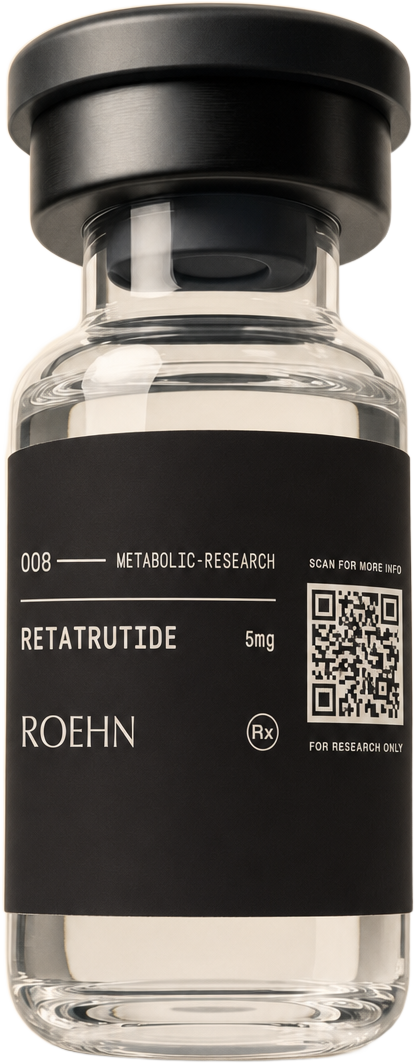
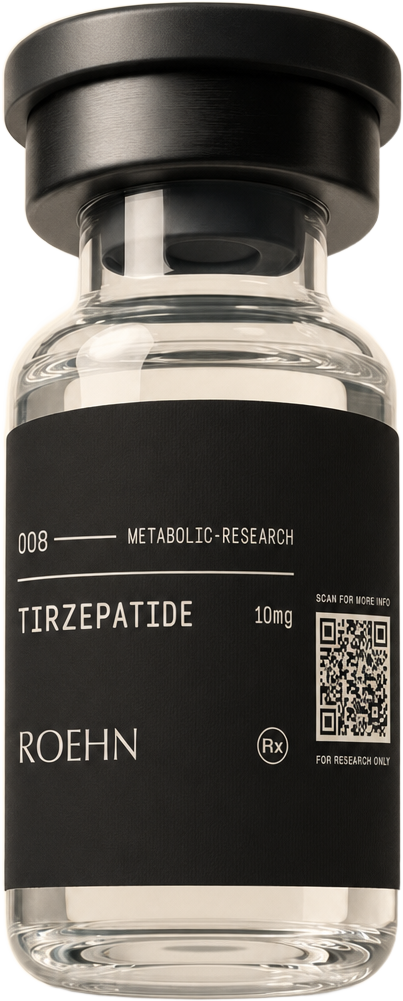
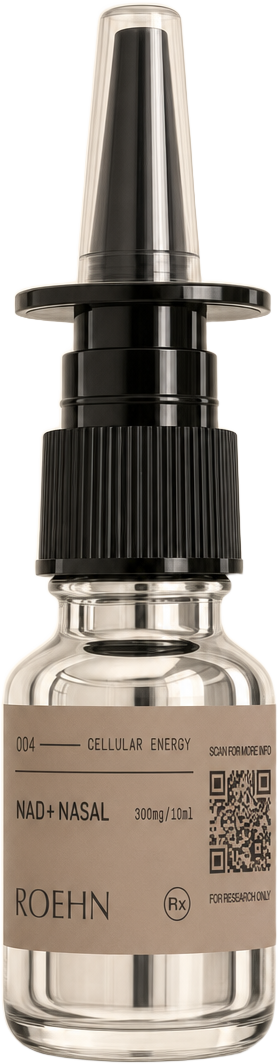
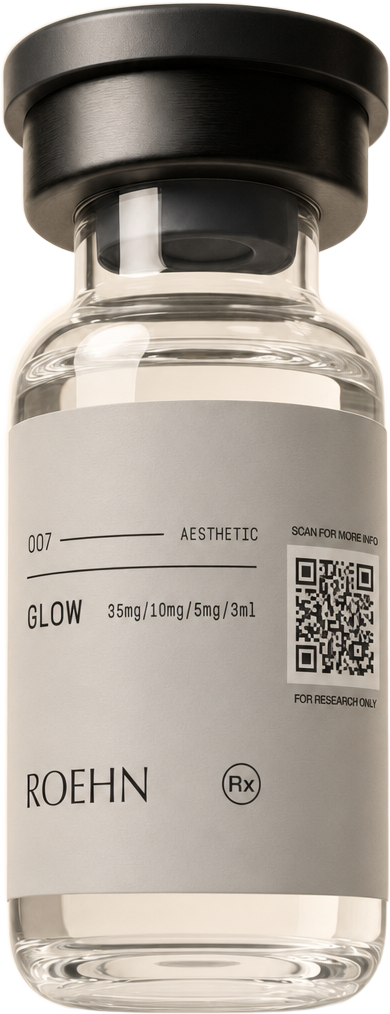
Be cautious of COAs that lack specific batch numbers, show suspiciously round purity numbers (e.g., exactly 99.00%), contain no chromatogram or spectrum images, or list a testing lab that cannot be independently verified. Reputable suppliers like ROEHN provide batch-specific COAs with full analytical data accessible directly from the product page.
At ROEHN, every product ships with a batch-matched COA featuring HPLC chromatograms and mass spectrometry data. Our COAs are generated by independent third-party laboratories and can be verified on each product page.