Peptides in Aging Research
The biology of aging involves multiple interconnected pathways — telomere attrition, mitochondrial dysfunction, cellular senescence, stem cell exhaustion, and altered intercellular communication. Preclinical researchers have investigated various peptides for their potential to modulate these aging hallmarks, creating a growing toolkit for longevity pathway investigation.
Key Longevity Research Peptides
- Epithalon: Investigated for telomerase activation and pineal gland function in aging models
- CJC-1295/Ipamorelin: Studied for restoring youthful GH secretion patterns and downstream IGF-1-mediated effects on tissue maintenance
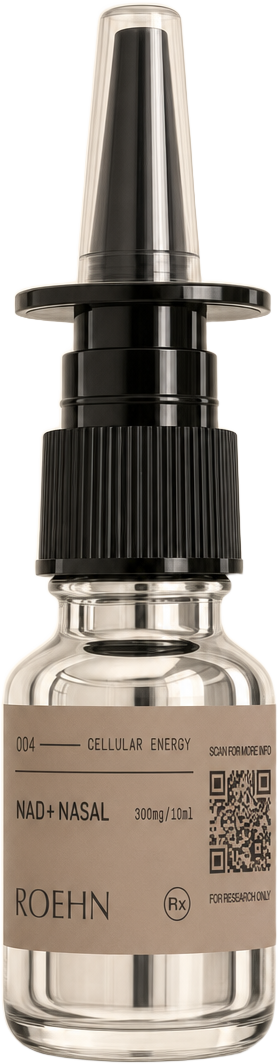
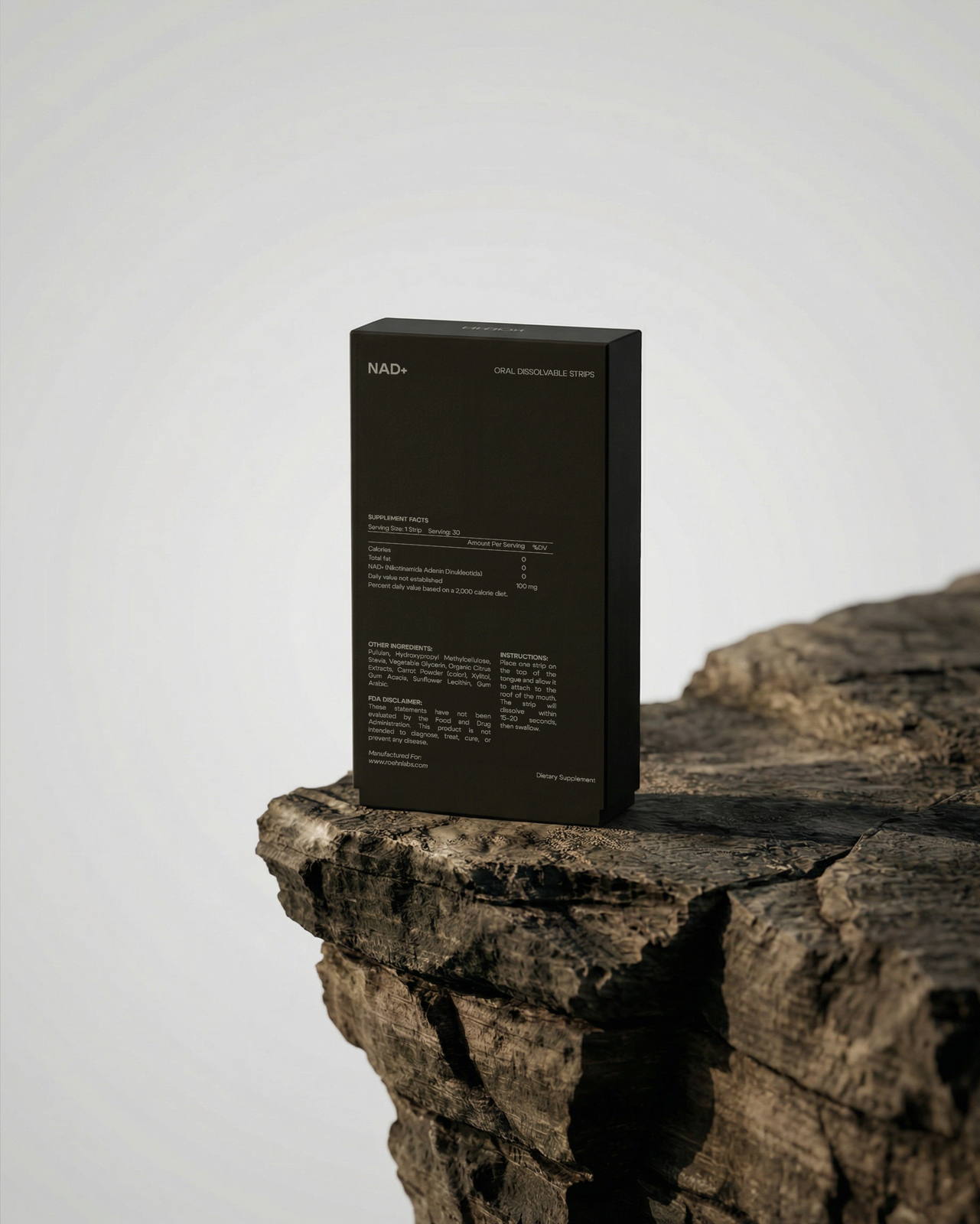
- NAD+ precursors: Explored for mitochondrial function restoration and sirtuin activation in cellular aging models
- BPC-157: Investigated for tissue repair and cytoprotective properties relevant to age-related tissue decline
- GHK-Cu: Studied for collagen synthesis promotion and gene expression modulation in aging fibroblast models
Multi-Target Approaches
Given that aging is a multi-factorial process, preclinical researchers increasingly investigate combinations of compounds targeting different aging pathways simultaneously. This systems-level approach aims to address multiple hallmarks of aging through complementary mechanisms.
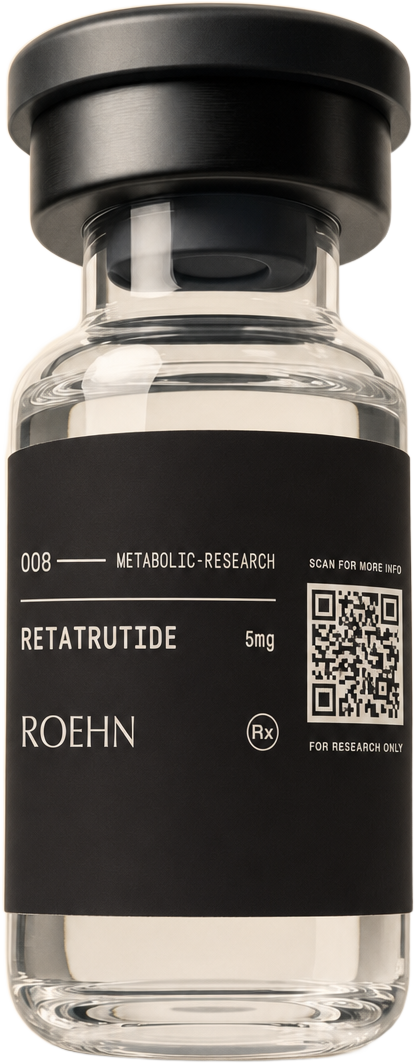
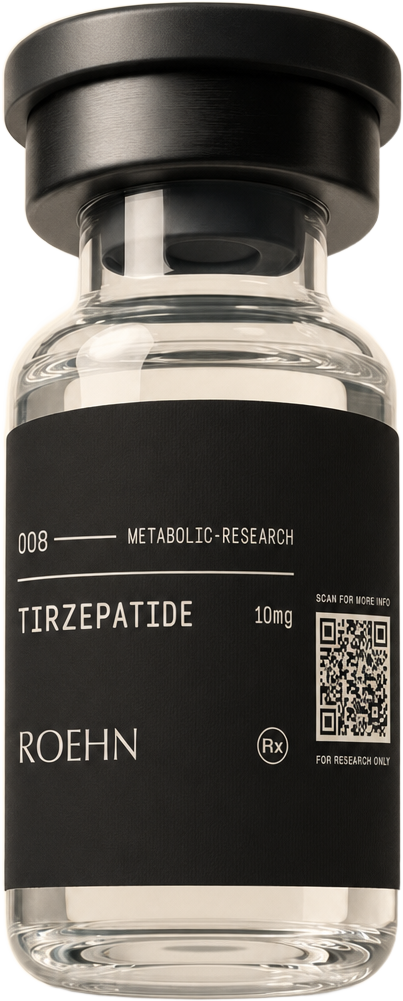
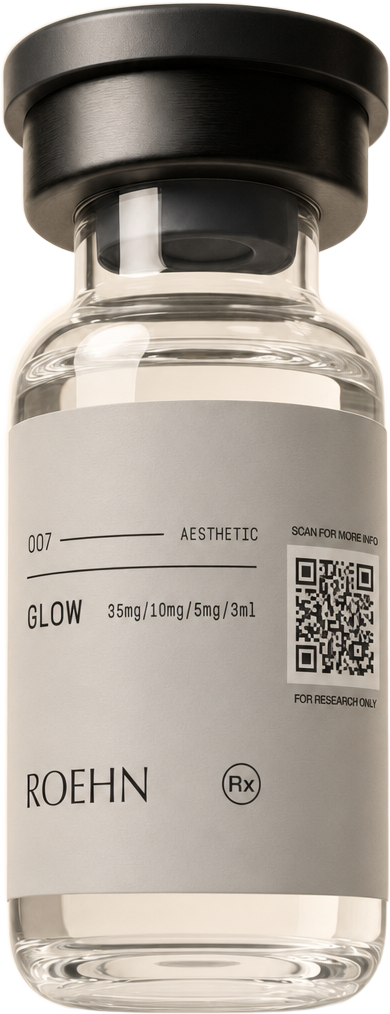
ROEHN Longevity Research Catalog
ROEHN provides researchers with high-purity compounds for longevity pathway investigation, each with comprehensive third-party analytical documentation to support rigorous preclinical research.
Research Disclaimer
This article is for educational and informational purposes only. All compounds discussed are intended strictly for in-vitro and preclinical research use. They are not intended for human consumption. Always consult published scientific literature and institutional review protocols before initiating any research program.