Defining Purity Grades
Peptide purity grades reflect the stringency of manufacturing processes, analytical testing, and regulatory oversight applied to a given compound. Understanding these distinctions is critical for researchers selecting appropriate materials for their experimental protocols.
Research-Grade Peptides
Research-grade peptides are synthesized and purified to standards suitable for in-vitro and preclinical research applications. Typical characteristics include:
- Purity: ≥95-98% as determined by HPLC
- Identity confirmation: Mass spectrometry verification
- Documentation: Batch-specific Certificate of Analysis (COA)
- Manufacturing: Synthesized under controlled conditions, though not necessarily under full GMP compliance
- Intended use: Laboratory research only — not for human consumption or therapeutic application
Pharmaceutical-Grade Peptides
Pharmaceutical-grade (or GMP-grade) peptides must meet significantly more stringent requirements mandated by regulatory agencies such as the FDA, EMA, and WHO:
- Purity: Meets pharmacopeial specifications (typically ≥98-99%)
- Comprehensive testing: HPLC, MS, amino acid analysis, endotoxin testing, residual solvents, heavy metals, microbial limits
- Manufacturing: Produced under current Good Manufacturing Practice (cGMP) in validated facilities
- Documentation: Extensive batch records, process validation, stability studies
- Regulatory oversight: Subject to regulatory inspection and approval processes
Which Grade Do You Need?
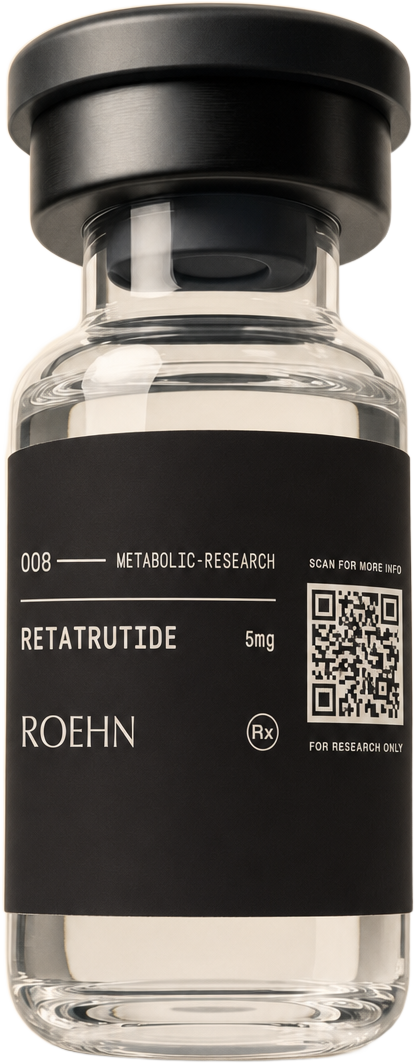
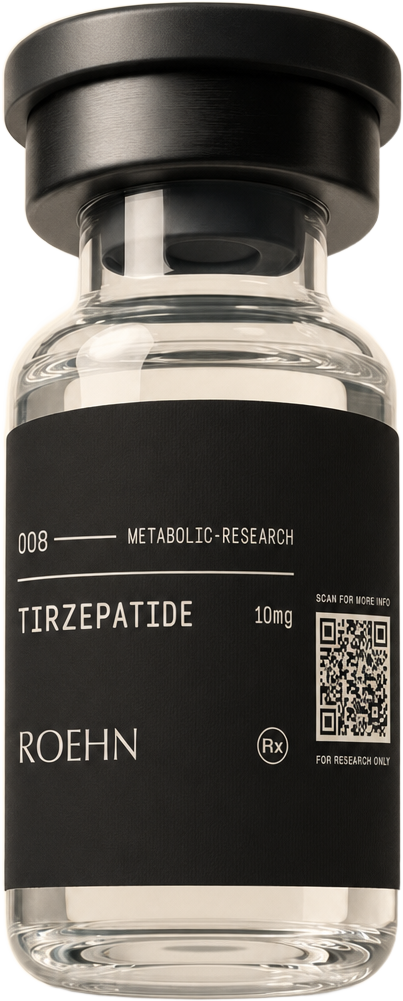
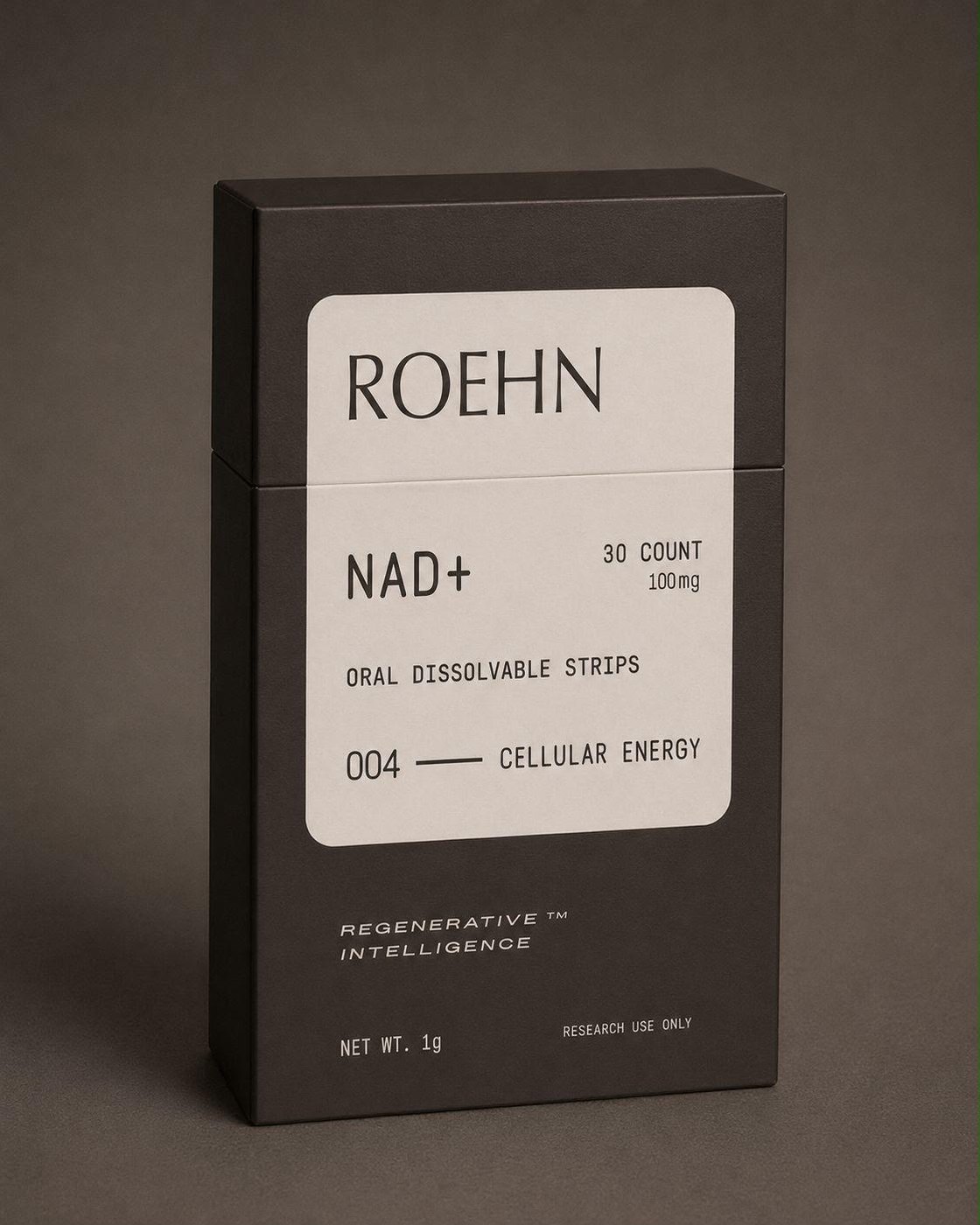
For in-vitro research, receptor binding studies, and most preclinical investigations, research-grade peptides provide the purity and quality necessary for reliable results at a significantly lower cost than pharmaceutical-grade compounds. The key is ensuring your supplier — like ROEHN — provides thorough third-party analytical documentation for every batch.
Explore our research-grade catalog, including BPC-157, Tirzepatide, and GHK-Cu, all with comprehensive COA documentation.
Research Disclaimer
This article is for educational and informational purposes only. All compounds discussed are intended strictly for in-vitro and preclinical research use. They are not intended for human consumption. Always consult published scientific literature and institutional review protocols before initiating any research program.