Two Routes, Different Outcomes
The route by which a research compound enters systemic circulation significantly affects its bioavailability, onset of action, and pharmacokinetic profile. Buccal (oral mucosal) and gastrointestinal (GI) absorption represent fundamentally different pathways with distinct advantages and limitations for peptide research.
Gastrointestinal Absorption
Oral administration via the GI tract is the most convenient delivery route but poses significant challenges for peptides: gastric acid degradation (pH 1-3), extensive enzymatic proteolysis by pepsin, trypsin, and chymotrypsin, and first-pass hepatic metabolism. For most unmodified peptides, oral bioavailability is less than 1-2%.
Buccal/Sublingual Absorption
Buccal and sublingual delivery exploits the thin, highly vascularized oral mucosa to achieve direct systemic absorption. Compounds bypass both GI degradation and first-pass liver metabolism, resulting in significantly higher bioavailability for susceptible molecules. The sublingual region is preferred for rapid absorption due to its thinner epithelium compared to buccal tissue.
Comparative Advantages
- Bioavailability: Buccal delivery typically achieves 5-25% bioavailability for peptides versus less than 2% GI
- Onset: Sublingual absorption achieves peak levels in 15-30 minutes versus 60-120 minutes for GI
- Reproducibility: Less inter-subject variability compared to GI absorption, which is affected by food, pH, and transit time
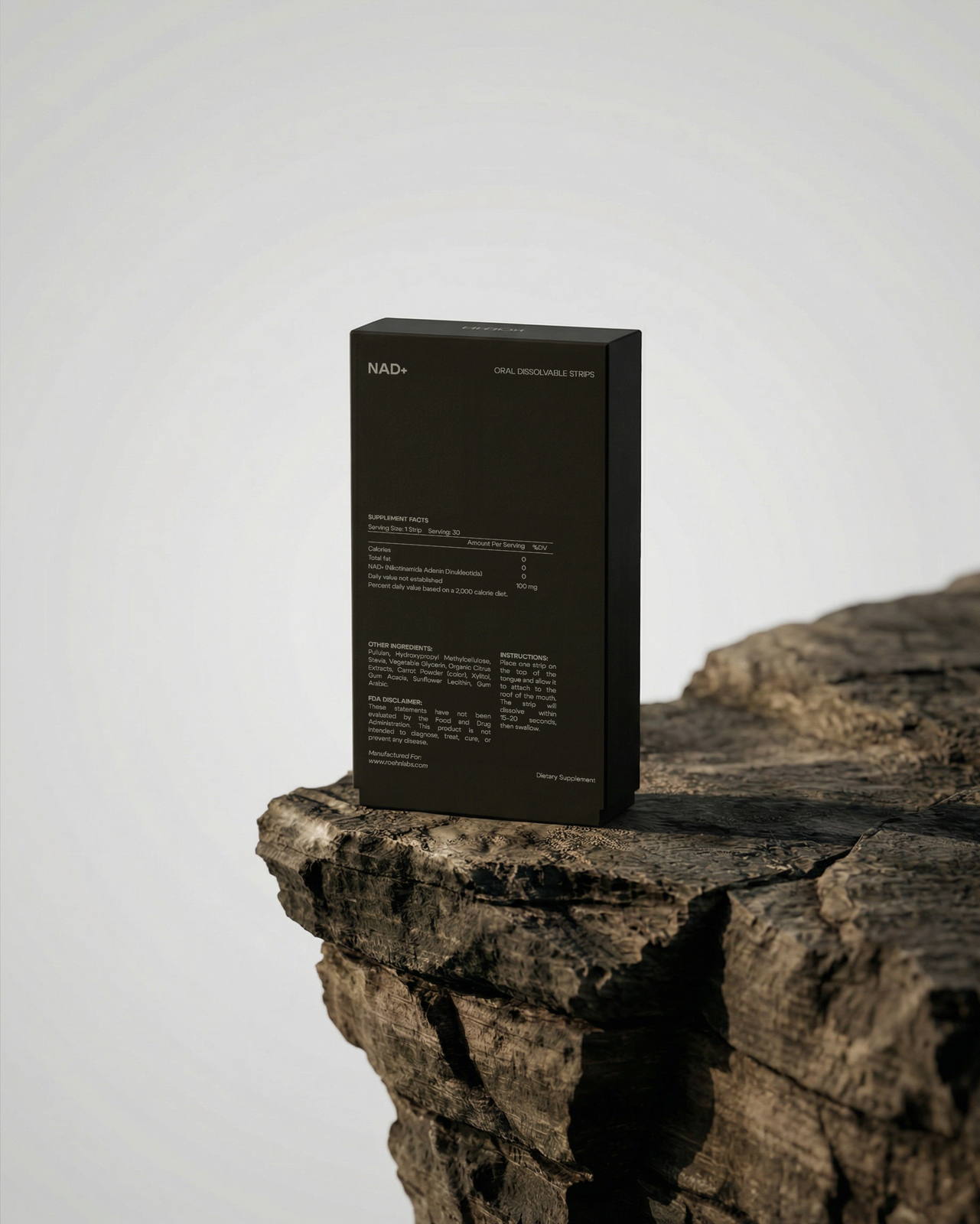
ROEHN's oral strip technology leverages sublingual delivery advantages. Explore our product catalog, including Semaglutide and BPC-157, available in multiple research formulations.
Research Disclaimer
This article is for educational and informational purposes only. All compounds discussed are intended strictly for in-vitro and preclinical research use. They are not intended for human consumption. Always consult published scientific literature and institutional review protocols before initiating any research program.